Gum disease is the leading cause of adult tooth loss, yet much of it can be prevented or controlled with timely care and consistent home hygiene. Studies show periodontal conditions are widespread among adults, which makes understanding how gum disease develops and how it’s treated essential for anyone who wants to protect their smile. At Capitol Smiles, we focus on clear explanations and practical treatment plans so patients can make informed decisions about their oral health.
Gum disease starts when bacterial biofilm (plaque) accumulates at and below the gum line. Left unchecked, this biofilm hardens into tartar and releases toxins that inflame the gums and irritate the tissues that hold teeth in place. Early stages are often subtle, which is why regular exams and professional cleanings are an important first line of defense.
Because symptoms may be mild initially, many people only discover a problem once it has moved beyond the reversible stage. That progression—from inflammation limited to the soft tissue to more destructive disease affecting bone and connective tissue—explains why early detection and intervention change outcomes so dramatically.
Being able to recognize common warning signs gives you an advantage. If you notice any of the following, it’s a good idea to bring them to your dentist’s attention so the cause can be evaluated and treated if needed.
Common signs to watch for include:
Gums that look swollen, puffy, or darker than normal
Bleeding during or after brushing and flossing
Teeth that appear longer as the gum margin recedes
Ongoing bad breath or an unpleasant taste in the mouth
Looseness, shifting of teeth, or new gaps forming
Discharge or soreness around the tooth roots
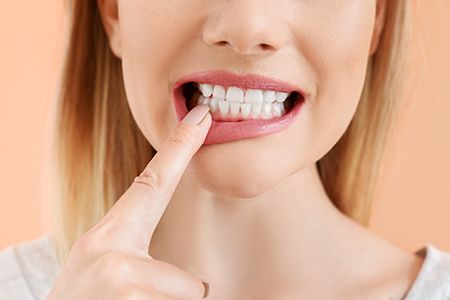
Recent research has strengthened the connection between periodontal health and overall wellness. Chronic inflammation in the mouth can influence systemic inflammation and has been associated with higher risks for conditions such as heart disease, diabetes complications, and respiratory concerns. Maintaining healthy gums is therefore about more than preserving teeth—it’s part of protecting your general health.
Good periodontal care reduces the bacterial burden in the mouth and calms the inflammatory response. That can improve comfort, reduce the chance of tooth loss, and support better outcomes for patients with certain medical conditions. This holistic perspective guides how we evaluate and manage periodontal concerns.
Prevention remains the most effective strategy: consistent home care, routine professional cleanings, and risk-focused checkups help identify problems early—before they affect the supporting bone and connective tissues that keep teeth stable.
The earliest stage of gum disease, commonly called gingivitis, is limited to inflammation of the gum tissue. Gums may be red, slightly tender, and prone to bleeding, yet the underlying bone and ligaments are still intact. Because structural damage has not yet occurred, gingivitis is typically reversible with improved cleaning and professional care.
Treatment for gingivitis focuses on eliminating the irritants that sustain inflammation. That usually involves a thorough professional cleaning to remove plaque and calculus, paired with targeted instruction to strengthen daily brushing and flossing habits. In many cases a short course of antimicrobial rinses or localized therapies may be used to accelerate healing.
Responding promptly to these early changes preserves tissue health and prevents the need for more invasive procedures. Regular maintenance visits help ensure the benefits of treatment are maintained over time.

When gingivitis is not resolved, it can progress to periodontitis—the stage at which the disease attacks the connective tissue and bone that anchor teeth. This process creates deeper pockets between teeth and gums, promotes further bacterial growth, and gradually undermines the stability of the teeth. Symptoms may include increased tooth mobility, deeper periodontal pockets, and noticeable jawbone loss on radiographs.
Treatment at this stage aims to stop the disease process and preserve as much natural structure as possible. That often requires a combination of professional cleaning below the gum line, targeted antimicrobial measures, and a customized maintenance program to control bacteria and inflammation over the long term.
For more advanced damage, restorative approaches such as regenerative techniques (bone or soft-tissue grafts) can be considered to rebuild lost support, and in some cases to enable future tooth replacement options such as implants. The treatment plan is tailored to the condition’s severity, the patient’s overall health, and long-term goals for function and aesthetics.

Managing periodontal disease is a stepwise process that begins with a comprehensive evaluation—medical history, periodontal charting, and imaging where appropriate. From that baseline, the team develops a plan that balances conservative therapy with procedural interventions when necessary. Active treatment is followed by a maintenance phase designed to minimize recurrence.
Patient participation is essential: effective daily hygiene and adherence to scheduled professional visits are the factors most strongly associated with long-term success. Clinicians may use adjunctive therapies—local antimicrobials, short courses of medications, or laser-assisted techniques—to enhance outcomes when indicated.
Where surgery is required, the goals are to remove bacterial reservoirs, decrease pocket depth, and restore healthy tissue contours so that daily cleaning is more effective. Advances in periodontal surgery and regenerative materials have expanded the options for repair and rehabilitation while focusing on predictable, evidence-based outcomes.
When periodontal disease is detected early or localized, non-surgical methods are often very effective. Scaling and root planing remove plaque and calculus from tooth roots beneath the gum line and smooth rough surfaces to discourage reattachment of bacteria. These procedures are typically paired with improved home care and periodic professional maintenance to sustain health.
Adjunctive tools such as localized antimicrobial applications or systemic medications may be used in select cases to reduce the bacterial load and help heal infected pockets. The overall aim is to restore a healthy environment that the body can maintain with routine home care.
Non-surgical care is frequently the first step and may be sufficient for many patients, particularly when combined with ongoing periodontal maintenance.
When pockets are too deep for non-surgical cleaning, surgical intervention can expose root surfaces for thorough debridement and allow reshaping of the supporting bone and gum tissue. Procedures such as flap surgery give clinicians access to eliminate persistent deposits and reduce pocket depths so hygiene becomes more manageable.
Regenerative techniques—using grafts or biomaterials—aim to rebuild lost bone and soft tissue where feasible, improving both function and appearance. Additionally, modern tools like lasers may complement surgical or non-surgical therapies in carefully selected circumstances.
After surgery, a structured follow-up and maintenance schedule is critical to protect the results and monitor for any signs of recurrence.
Protecting your gum health is a collaborative effort between you and your dental team. If you have questions about periodontal disease, treatment options, or how to reduce risk factors, please contact us for more information.

Most people don’t realize that periodontal disease is the leading cause of tooth loss among adults. According to statistics from the Centers for Disease Control and Prevention, one out of every two adults over the age of 30 in the United States has periodontal disease.
You may be surprised to learn that the human mouth is home to a wide variety of microbes. The fact is that over 700 different strains of bacteria have been detected in the oral cavity. Although some of these bacteria are beneficial, others are harmful to oral health. Without proper oral hygiene and routine dental care, these harmful bacteria can cause tooth decay and gum disease, compromising both your oral health and overall wellbeing.
In addition to inadequate oral hygiene and infrequent professional care, other factors, including smoking, genetic tendencies, and unchecked diabetes, can contribute to the escalation of periodontal disease.
Your gums and teeth have an interdependent relationship, which means healthy teeth depend on the support of healthy gums. Also, taking care of your smile does more than keep your teeth and gums in optimal condition; good oral health also supports systemic health. In addition to being the leading cause of tooth loss in adults, researchers are finding more and more links between periodontal disease and a number of medical problems, including heart disease, stroke, diabetes, respiratory problems, and adverse pregnancy outcomes such as pre-term and low birth-weight babies.
If you notice that your gums are bleeding with the slightest pressure while brushing or flossing, it’s a sign of gingivitis. Although gingivitis is the earliest stage of gum disease, it can easily be reversed with deeper cleanings as well as an improved regimen of oral hygiene at home.
In the absence of professional treatment and better home care, gingivitis progresses to the next stage, which is known as periodontitis. In this stage, the connective tissue and bone that hold the teeth in place begin to break down with an increase in pocketing between the teeth and bone, gum recession, and bone loss. Without proper treatment by your dentist, periodontitis will progress from a mild to moderate loss of supporting tissue to the destruction of the bone around the teeth.
Although gingivitis can often be reversed with improved oral hygiene and professional cleanings, as periodontal disease advances, more extensive procedures are required to halt its progression. Based on a complete assessment of your periodontal health and a review of possible contributing factors, our office will recommend the best options in care. Treatment for periodontitis may include a series of deeper cleanings known as root planing and scaling, surgical procedures to reduce pocket depth, bone or tissue grafts, laser procedures, or antimicrobial medications.
The cost of care depends on the type of procedures required to restore your periodontal health. If you have dental insurance, plans often cover treatment to prevent gum disease as well as many procedures to treat the various stages of gum disease. Our goal is to help patients restore and maintain good oral health. We do all we can to help you begin care without additional stress or delay. Our business office works with you to maximize your benefits and provide easier, more convenient payment options.
By seeing our office regularly for care and doing your best to eat a healthy diet and practice good oral hygiene, you can keep your smile in tip-top shape as well as protect your overall wellbeing.
At the office of Capitol Smiles, we provide a comprehensive range of services to address all your oral healthcare needs. You can rest assured that your smile is in the best of hands at our office. Our skilled and experienced team maintains a position at the forefront of advances in care and remains dedicated to providing the highest quality of skilled and compassionate treatment.
Periodontal disease is an infection of the gums and supporting structures of the teeth that begins when bacterial biofilm, commonly called plaque, accumulates at and below the gum line. When plaque is not removed regularly it mineralizes into calculus and releases toxins that inflame gum tissue and damage the connective fibers that secure teeth. Over time persistent inflammation can deepen pockets between the tooth and gum and allow bacteria to invade areas that are difficult to clean.
Early stages are often subtle, which is why routine exams and professional cleanings are critical for detection. Identifying disease in these reversible stages allows clinicians to treat inflammation before significant bone or ligament loss occurs. Effective management focuses on removing bacterial sources and restoring a healthy environment that the body can maintain with consistent home care and professional support.
Common early signs include gums that look swollen, red, or feel tender, and bleeding during or after brushing and flossing. You may also notice persistent bad breath or an unpleasant taste, gums that appear to pull away from teeth, or the appearance of new gaps between teeth. These symptoms often appear before any pain or tooth mobility becomes evident.
Because early symptoms can be mild, it is important to report any changes to your dental team promptly so they can evaluate the cause. A clinical exam and periodontal charting will determine whether intervention is needed and which treatment path is most appropriate. Early detection and treatment greatly improve the chances of reversing damage and avoiding more invasive procedures.
Gingivitis refers to inflammation limited to the soft gum tissue and is generally reversible with thorough cleaning and improved oral hygiene. Gums with gingivitis may be red and prone to bleeding but the underlying bone and periodontal ligament remain intact. Treatment at this stage typically involves professional cleaning and focused home care to eliminate irritants.
Periodontitis occurs when inflammation progresses and begins to destroy the connective tissue and bone that support teeth, creating deeper periodontal pockets. Management shifts from solely improving hygiene to controlling infection below the gum line through scaling and root planing, adjunctive therapies, and in some cases surgical or regenerative procedures. The primary goal in periodontitis is to stop disease progression and preserve as much natural structure as possible.
A comprehensive periodontal evaluation begins with a review of medical history, a clinical examination, and periodontal charting to measure pocket depths and attachment levels around each tooth. Dental radiographs are often taken to assess bone levels and detect patterns of bone loss that guide treatment planning. Additional tests or microbial assessments may be used when the disease is aggressive or not responding to conventional therapy.
This diagnostic baseline helps clinicians tailor a treatment plan that matches disease severity and the patient’s overall health goals. Clear documentation also establishes metrics for monitoring response to therapy and scheduling an appropriate maintenance program. Open communication about findings ensures patients understand the rationale behind recommended care and the role they play in achieving a successful outcome.
Non-surgical therapy is often the first line of treatment and includes scaling and root planing to remove plaque and calculus from root surfaces beneath the gum line. Smoothing the root surface helps reduce bacterial recolonization and allows inflamed tissue to begin healing. These procedures are commonly paired with personalized oral hygiene instruction to strengthen daily brushing and interdental cleaning.
Adjunctive measures such as localized antimicrobial applications, medicated rinses, or short courses of systemic medication may be recommended in selected cases to reduce the bacterial burden. Laser-assisted debridement and other minimally invasive tools can complement conventional therapy when indicated. Following active care, a structured periodontal maintenance schedule is essential to control recurrence.
Surgery is considered when non-surgical measures cannot adequately reduce pocket depths or when pockets conceal deposits that perpetuate infection. Procedures such as flap surgery allow direct access to remove persistent calculus and to reshape bone or gum tissue so pockets are shallower and easier to clean. The decision to operate depends on pocket depth, pattern of bone loss, and the patient’s response to initial therapy.
Regenerative treatments, including bone grafts, guided tissue regeneration, or soft-tissue grafts, are used to attempt to restore lost support in sites where predictable regeneration is feasible. These approaches aim to rebuild anatomy so that function and aesthetics are improved and future tooth stability is enhanced. A thorough discussion of risks, benefits, and expected outcomes helps patients make informed choices about surgical options.
Systemic conditions such as diabetes, certain autoimmune disorders, and smoking significantly influence both the risk and progression of periodontal disease. For example, poorly controlled diabetes impairs wound healing and can increase susceptibility to infection, making periodontal inflammation more difficult to manage. Smoking compromises blood flow and immune response in gum tissue, reducing the effectiveness of both non-surgical and surgical therapies.
Because periodontal inflammation can also influence systemic health, managing gum disease is an important component of overall medical care for many patients. Your dental team will consider your medical history when developing a treatment plan and may coordinate with your primary care provider to optimize outcomes. Addressing systemic risk factors alongside local therapy improves the likelihood of long-term success.
Daily home care is fundamental to both preventing periodontal disease and maintaining results after professional treatment. Effective routines include thorough twice-daily brushing, interdental cleaning with floss or interdental brushes, and, when recommended, antimicrobial rinses to reduce plaque accumulation. Consistency in these habits prevents bacterial biofilm from maturing and forming destructive deposits.
Patients who commit to disciplined home care dramatically improve their prognosis and reduce the need for more intensive interventions. Your dental team can provide tailored instruction on technique and recommend products based on your individual needs. Ongoing communication and periodic reinforcement at maintenance visits help sustain good habits over the long term.
After active therapy, a personalized periodontal maintenance program is essential to monitor healing and prevent recurrence. Maintenance visits typically include professional cleanings focused on subgingival debridement where needed, periodic reassessment of pocket depths, and reinforcement of home-care practices. The frequency of these visits is determined by disease severity, risk factors, and clinical response, often ranging from every three to six months.
Maintenance is a collaborative process: clinicians provide targeted professional care while patients maintain effective daily hygiene to suppress bacterial regrowth. Early detection of any signs of recurrence allows timely retreatment and reduces the likelihood of significant structural loss. Long-term adherence to maintenance protocols is the most reliable way to protect your smile and overall oral health.
The office of Capitol Smiles emphasizes clear communication, individualized treatment plans, and gentle care to help patients feel comfortable throughout periodontal therapy. Initial evaluations focus on education about disease mechanisms and realistic goals, and clinicians explain each recommended step so patients understand why a particular approach is advised. Comfort measures, local anesthetic options, and adjunctive techniques are used to minimize discomfort during procedures.
We also prioritize long-term relationships that support prevention and early intervention, ensuring patients have the resources and follow-up they need to maintain gum health. If you have specific concerns about anxiety, comfort, or treatment intensity, the team will work with you to tailor an approach that balances clinical effectiveness with your preferences. Contact Capitol Smiles to discuss periodontal questions or to schedule an evaluation with our team.
Quick Links