At the office of Capitol Smiles, we believe every child's smile deserves thoughtful, age-appropriate care. Our goal is to give parents the information and clinical support they need so children develop healthy habits, avoid unnecessary problems, and grow into confident teens and adults. This page explains how pediatric dental care works, what parents can expect at appointments, and practical steps for protecting young teeth at every stage of development.

Healthy oral habits start long before a full set of baby teeth appears. Parents can support good oral health by gently cleaning an infant’s gums after feedings, avoiding putting a baby to bed with milk or juice, and introducing a soft toothbrush once teeth begin to emerge. Early attention sets the tone for a lifetime: children who experience routine, gentle care learn that dental visits are part of normal health maintenance rather than a source of fear.
At routine early visits, our team focuses on education as much as treatment. We show caregivers how to brush and floss for different ages, demonstrate safe ways to soothe teething discomfort, and review dietary habits that protect delicate tooth enamel. These conversations are practical and tailored — small changes, like replacing sugary drinks with water and limiting sticky snacks, can substantially lower a child’s risk of cavities over time.
Prevention is a partnership between the dental team and families. We look for opportunities to strengthen young smiles through evidence-based measures, but we also emphasize positive reinforcement. Making oral hygiene a predictable, positive part of daily life — with kid-friendly tools, age-appropriate goals, and praise — helps children take ownership of their routines as they grow.
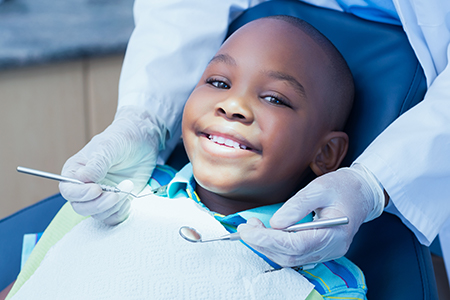
Regular dental checkups are much more than a quick look inside the mouth. During a typical visit we review medical history, perform a gentle clinical exam of the teeth, gums, jaws, and oral tissues, and assess how your child's bite is developing. This is the time to catch small issues early — treating a minor cavity or adjusting a habit before it becomes a complex problem preserves both oral health and confidence.
Professional cleanings remove plaque and tartar that daily brushing can miss, and they give us a chance to teach proper technique in a hands-on way. When indicated, we use low-radiation digital X-rays to evaluate areas that are not visible to the eye — for example, developing permanent teeth or the roots of baby teeth. These images are taken only when necessary and are carefully reviewed to guide safe, conservative care.
Because facial and dental development unfold over many years, routine visits provide longitudinal insight. We track eruption patterns, jaw growth, and alignment so that if orthodontic or interceptive steps are useful, they can be recommended at the most effective time. The goal is predictable growth and a functional, attractive smile with minimal invasive treatment.
Baby teeth perform important jobs beyond helping children chew and speak: they hold space for permanent teeth, guide jaw development, and support clear speech patterns. When a primary tooth is lost prematurely to decay or injury, adjacent teeth can drift and complicate the arrival of adult teeth. That’s why early preventive care and timely intervention are essential — they protect immediate comfort and long-term alignment.
Parents often ask when to schedule a child’s first dental visit. Professional organizations recommend bringing infants in by the time their first tooth appears or around their first birthday. These early appointments are brief and friendly, focused on risk assessment, anticipatory guidance for feeding and oral hygiene, and answering questions about teething, pacifier use, and thumb-sucking in a supportive way.
Teething can be uncomfortable, but safe home measures — chilled teething rings, a cold cloth, or gentle gum massage — typically provide relief. If a parent ever has concerns about fever, prolonged irritability, or an unusual finding in the mouth, the practice encourages contacting the office promptly so a clinician can advise next steps and determine whether an earlier appointment is warranted.
Several clinical tools have proven value in protecting children’s teeth. Fluoride treatments strengthen enamel and reduce decay risk when applied in appropriate amounts during dental visits. Dental sealants create a physical barrier over deep grooves in molars where food and bacteria tend to gather — they are quick to place and can significantly reduce cavities on chewing surfaces.
For children active in sports, a properly fitted mouthguard is a simple, effective defense against dental trauma. Customized athletic guards absorb and distribute force, lowering the risk of fractured or displaced teeth and protecting soft tissues. Our team evaluates activity levels and recommends the right type of protection to balance comfort and safety.
Start dental care early and keep regular preventive visits.
Use age-appropriate brushing and flossing techniques under caregiver supervision until the child can manage independently.
Limit frequent exposure to sugary drinks and sticky snacks; choose water and wholesome snacks when possible.
Make sure bottles are not used as sleep-time pacifiers with milk or juice — water is the safer option if needed.
Address prolonged pacifier or thumb-sucking habits constructively before permanent teeth begin to erupt.
Consider fluoride and sealants as protective, evidence-based measures recommended by dental professionals.
Invest in a custom mouthguard if your child participates in contact or high-risk sports.
Good nutrition is a cornerstone of healthy growth and oral development. Teeth, bone, and soft tissues rely on balanced intake of vitamins, minerals, and protein; frequent consumption of sugary or acidic foods increases the risk of enamel erosion and cavities. Encouraging regular meals, healthy snacks, and water instead of sweetened beverages supports both dental and overall health during the rapid growth of childhood and adolescence.
Alongside nutrition, we monitor how the jaws and bite are forming. Some alignment concerns are best addressed early with minimally invasive approaches; others are most effectively treated when more permanent teeth have erupted. Our clinicians follow established guidelines to determine the optimal timing for referrals to orthodontic specialists when interceptive care has the greatest potential to reduce complexity later.
Accidents and dental emergencies can happen despite careful prevention. When trauma occurs — a fractured tooth, a dislodged tooth, or a painful infection — prompt assessment is important to preserve tooth structure and prevent complications. Our practice is prepared to provide urgent pediatric dental care when needed, focusing on comfort, function, and long-term outcomes.
Throughout childhood and into the teenage years, the aim is steady progress: fewer cavities, confident self-care, and timely steps when developmental or orthodontic issues appear. By combining thoughtful prevention, clear communication, and individualized treatment planning, families can help children enjoy healthy smiles that last.
In summary, pediatric dentistry is about prevention, monitoring growth, and intervening thoughtfully when necessary. If you’d like to learn more about how we care for children at our office or to discuss a specific concern, please contact us for more information. The team at Capitol Smiles is here to support your family every step of the way.

A pedodontist is a dentist who has received advanced specialty training in meeting the dental needs of children from infancy to adolescence. Pedodontists, also referred to as "pediatric dentists," study child psychology, behavior management, caring for children with special needs, methods of handling oral/facial trauma, and various techniques for providing anesthesia and sedation. Pedodontists also understand the complexities of facial growth and development and have the clinical skills required to meet the dental needs of all children at every stage of development. Most of all, pedodontists are passionate about what they do and enjoy working with children. They strive to make every dental experience a positive one as they help children establish a strong foundation for good oral health.
Even before your child is born, their first set of teeth is already forming. In fact, by one year of age, some of your baby's front teeth will have already come into place. While the arrival of your baby's first teeth is only one of many developmental milestones, it represents an excellent time to begin a program of oral care. According to recommendations from the American Dental Association, babies should see the dentist around the time of their first birthdays.
Your baby's first teeth typically begin to appear in the 6 to 12-month range. While this is an extraordinary milestone, you need to be aware that your baby may find the experience a little bit uncomfortable. Teething can make babies feel irritable. They may be fussy, have trouble sleeping, not want to eat, and drool quite a bit.
Although you are powerless to speed up the process of teething, there are a few things that you can do to soothe your baby as the new teeth are erupting into place. Common approaches to helping your baby feel more comfortable while getting new teeth, include teething rings or a cold spoon or moist gauze rubbed over their gums.
Even for these few new teeth, it's absolutely essential to establish an effective regimen of oral care. For information on when your baby's first set of teeth will erupt into place, consult this timeline from the American Dental Association: Eruption Charts
Some children persist in sucking their thumbs or fingers beyond their preschool years. For these children, the activity continues to be a source of comfort, relaxation, and security. It may even help them fall asleep at night. However, it's essential to be aware that in the long-term, a finger sucking habit is not healthy.
If your child's thumb or finger sucking habit is still present when the permanent teeth begin to come in, your child is at a higher risk of developing a bad bite. By the age of five or six years, you need to constructively and gently help your child stop the habit.
It's also a good idea to have a comprehensive evaluation at this time. Your pedodontist can assess if there are any habit related alterations to the alignment of your child's teeth or jaws, or if it is affecting their speech or swallowing patterns. They can also discuss habit control strategies with you, as well as follow your child's bite and facial development as they grow. If interceptive appliances or corrective orthodontic care are recommended, the timetable and best options in care will be explained in complete detail.
The American Academy of Pediatric Dentistry and other professional groups recommend a first dental visit by the time a child’s first tooth appears or around the first birthday. Early visits are brief and focused on risk assessment, anticipatory guidance for feeding and hygiene, and helping families establish consistent routines that support long-term oral health. Bringing children in early makes future care more predictable and helps normalize the dental office environment.
During that initial appointment the team evaluates eruption patterns, checks for signs of early decay, and discusses safe home practices such as appropriate brushing, bottle habits, and pacifier use. The visit is also an opportunity to answer caregiver questions and demonstrate gentle techniques so parents feel confident caring for their child’s teeth. These foundational steps support steady development and reduce the need for more invasive treatments later.
Teething commonly causes drooling, irritability, and a desire to chew, and most infants find relief from safe, simple measures at home. Offer a chilled (not frozen) teething ring, a cold washcloth to chew on, or gentle gum massage with a clean finger; these measures soothe soreness without medications in many cases. Avoid putting a child to bed with milk or juice, since prolonged exposure to sugars increases decay risk.
If a child shows persistent fever, severe irritability, or an unusual oral finding, contact your dental office for guidance and a timely assessment. The dental team can advise when additional evaluation is warranted and provide strategies for comfort while protecting emerging teeth. Prompt communication helps ensure teething remains a short-term issue rather than a source of avoidable problems.
Effective prevention combines home habits with periodic professional care to reduce cavities and support healthy development. Daily brushing with an age-appropriate toothbrush and fluoride toothpaste, supervised flossing as needed, balanced nutrition, and limiting frequent sugary or acidic snacks are core habits that protect enamel. Regular checkups allow the dental team to monitor growth, remove plaque and tartar, and reinforce good technique in a hands-on way.
In-office prevention may include topical fluoride applications and sealants on newly erupted molars when clinically indicated, both of which have strong evidence for reducing decay. Positive reinforcement, child-friendly tools, and small achievable goals help children build confidence and ownership of oral hygiene. Consistent preventive care decreases the likelihood of emergency visits and supports predictable long-term outcomes.
When used under professional supervision, topical fluoride and dental sealants are safe and effective tools to reduce childhood cavities. Fluoride treatments applied at dental visits provide a concentrated, short-term exposure that strengthens enamel and lowers decay risk; clinicians recommend dosages based on age and overall fluoride exposure from water and toothpaste. Sealants are a minimally invasive barrier placed on chewing surfaces of molars to block grooves where bacteria and food accumulate.
Both interventions are supported by clinical research and widely used in pediatric dental care to prevent disease rather than treat it after it starts. Placement is quick, painless, and often completed in a single visit, and the dental team will explain when each option is appropriate for an individual child. Parents should feel comfortable asking about benefits, risks, and expected longevity as part of any preventive plan.
When images are indicated, the team explains the reason for the X-ray, what information it will provide, and how it guides safe, conservative care. Limiting radiation exposure while obtaining essential diagnostic information is a standard priority in pediatric dentistry. Parents are encouraged to ask about safety protocols and how imaging fits into their child's individualized care plan.
Pacifier use and thumb-sucking are common soothing behaviors in infants and young children and often resolve spontaneously without lasting effects if they stop before permanent teeth erupt. Prolonged habits that persist as permanent teeth come in can contribute to open bites, altered tooth position, or changes in jaw growth. Gentle, positive strategies work best: offer praise for progress, provide distractions, and replace the habit with a less intrusive comfort object when appropriate.
If a habit continues beyond the eruption of permanent incisors or begins to affect speech or tooth alignment, consult your dental team for tailored advice. Behavioral approaches, reward systems, and, in some cases, simple dental appliances can support habit cessation with minimal stress. Early, compassionate intervention helps avoid more complex orthodontic needs later on.
Prompt action can make a major difference after dental trauma such as a knocked-out tooth, chipped tooth, or painful swelling. For a fully displaced permanent tooth, attempt to reinsert it only if the caregiver is comfortable, keep it moist in milk or saliva, and seek urgent dental care; for baby teeth, avoid reinsertion and contact your dentist for guidance. Control bleeding with gentle pressure, apply a cold compress to reduce swelling, and keep calm while arranging immediate evaluation.
Timely clinical assessment preserves tooth structure and reduces the risk of infection or long-term complications, so contact your dental office as soon as possible when an injury occurs. The team will prioritize urgent cases and advise on interim care at home. Knowing basic first-aid steps and having a plan for rapid contact can improve outcomes when accidents happen.
A properly fitted mouthguard significantly reduces the risk of fractured, displaced, or avulsed teeth and helps protect soft tissues during contact or high-risk sports. Custom mouthguards made by a dental professional offer the best combination of fit, comfort, and retention because they are tailored to the child’s mouth and any orthodontic appliances. While store-bought options are better than no protection, a custom guard is thinner, breathes more easily, and is more likely to be worn consistently by young athletes.
Discuss your child’s activity level with the dental team so they can recommend an appropriate option and timing for fabrication, especially if orthodontic treatment is planned. Proper care and periodic replacement as the child grows ensure continued protection and comfort. Investing in a well-fitting mouthguard is a practical, preventive step to avoid traumatic dental injuries.
Nutrition directly influences tooth and jaw development as well as cavity risk, because frequent exposure to sugars and acids accelerates enamel breakdown and bacterial growth. Encourage balanced meals, water instead of sugary drinks, and nutritious snacks such as vegetables, cheese, yogurt, and whole fruits to support both dental and overall health. Limiting grazing or constant sipping of sweetened beverages reduces the time teeth are exposed to harmful acids and lowers decay risk.
Certain nutrients like calcium, vitamin D, and protein support strong teeth and bone development, while crunchy fiber-rich foods can help clean surfaces between brushings. Establish predictable meal and snack times to minimize continuous sugar exposure, and teach children to rinse with water after sweet or acidic foods when brushing immediately is not possible. Combining good dietary habits with daily oral hygiene provides the best protection during growth.
Dental and facial development unfolds over many years, so regular checkups allow clinicians to monitor growth and identify bite or alignment concerns at the most advantageous times. Many professional organizations recommend an orthodontic screening by around age 7, when enough permanent teeth have erupted to evaluate jaw relationships and identify problems that benefit from early intervention. Early evaluation does not always lead to immediate treatment, but it helps the dental team plan and recommend timely steps if interceptive care can simplify later correction.
If early signs such as severe crowding, crossbites, early loss of baby teeth, or asymmetric jaw growth appear, the practice may recommend consultation with an orthodontic specialist to review options. Addressing certain issues at key developmental windows can reduce the need for more invasive procedures later and improve functional outcomes. Families in Frankfort and the surrounding communities can rely on the office of Capitol Smiles to explain the timing and rationale for any recommended referrals.
Quick Links